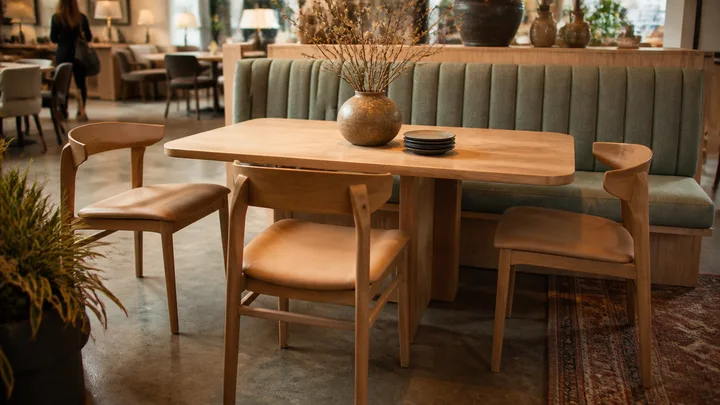
Furniture is the part of your budget guests touch, sit in, and remember. It is also where the difference between residential-grade and true commercial-grade pieces shows up fast, in both price and lifespan. This guide gives you real 2026 per-piece prices for chairs, tables, booths, and bar stools, and shows how to budget the whole dining room without overspending or, worse, buying furniture that falls apart in a year.
This page details one line from the restaurant startup costs breakdown. For the full budget, start with how much it costs to open a restaurant.
Furniture prices by piece
These are typical 2026 ranges for commercial-grade restaurant furniture. Residential lookalikes cost less up front but are not built for daily commercial abuse, which is a false economy we cover below.
| Piece | Typical commercial price |
|---|---|
| Dining chair | $90 to $250 each |
| Bar stool | $90 to $300 each |
| Table base | $50 to $150 each |
| Table top (laminate) | $75 to $150 each |
| Table top (solid wood) | $130 to $250+ each |
| Booth (per unit / section) | $400 to $1,200 installed |
| Host stand | $300 to $1,500 |
Booths are the most expensive seating per guest. A back-to-back booth pair with a table can run roughly $2,700 installed, which works out to several hundred dollars per seat, well above the cost of a freestanding table-and-chairs setup. That premium buys durability, a defined footprint, and the higher perceived value guests attach to a booth.
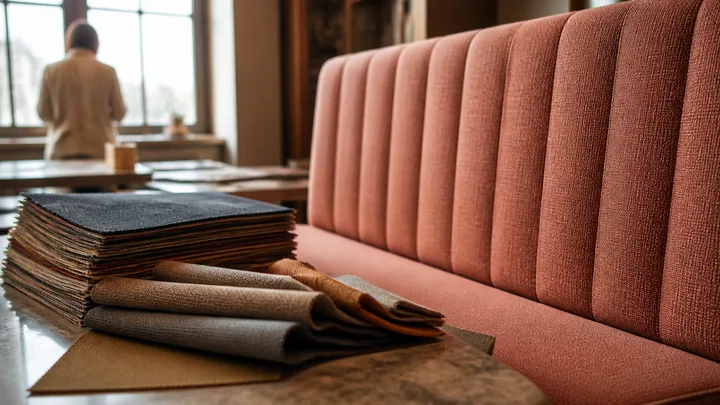
Budgeting furniture for the whole room
The fastest way to a furniture budget is to price it per seat, then per table, and add the extras.
- Seating: multiply your chair and stool count by a blended per-seat figure. A mix of commercial chairs and a few booths often averages $150 to $300 per seat.
- Tables: each table needs a base plus a top. Budget $150 to $400 per table for a durable commercial setup.
- Bar and counter seating: stools plus any counter or rail work.
- Front-of-house extras: host stand, waiting-area seating, outdoor or patio furniture if applicable.
For a 60-seat casual dining room, a realistic furniture budget lands around $12,000 to $25,000. A larger room with custom booths and upgraded materials can run well past that. Fine dining, which leans on solid wood, custom upholstery, and heavier pieces, can reach $35 to $60 per square foot on furniture alone.
Furniture typically represents 5 to 15 percent of a restaurant's total startup cost, folded into the per-seat medians reported in the RestaurantOwner.com survey of independent operators. If it is running much higher, you may be over-specifying materials for the concept.
Commercial-grade versus residential: why it matters
The most expensive furniture mistake is buying residential furniture to save money on opening day. A dining chair from a home-goods store is engineered for a few uses a week in a living room. In a restaurant, that same chair might be sat in, dragged, stacked, and cleaned dozens of times a day, every day. It loosens, cracks, and looks worn within months, and you end up rebuying, which costs far more than buying commercial-grade once.
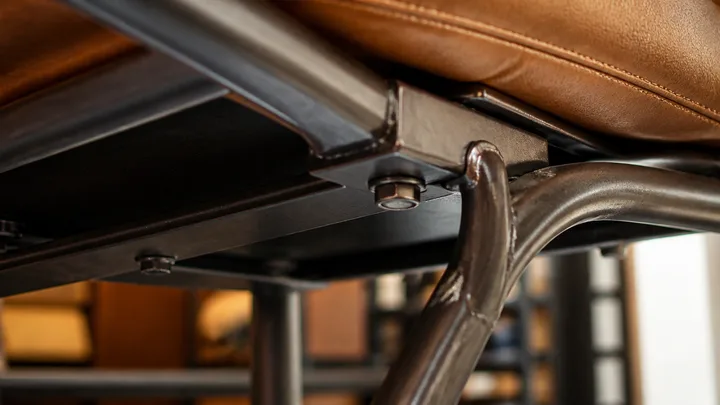
Commercial or "contract-grade" furniture is built and tested for exactly this abuse: reinforced joinery, heavier frames, commercial-rated upholstery, and finishes that survive constant cleaning. It carries a higher sticker price and a much lower cost per year of service. We compare the two in detail in commercial versus residential restaurant chairs.
Match furniture to your layout, not the other way around
Buy furniture after you have a floor plan, never before. Your table mix, aisle widths, and seat count all depend on the room, and buying the wrong sizes means furniture that does not fit or a dining room that fails to seat the covers your budget assumed. Nail the layout first with restaurant floor plan layout ideas, confirm you can physically fit your seats with how to calculate restaurant seating capacity, and get the aisles and spacing right using the table spacing and layout guide. Furniture that ignores the plan is money spent twice.
How to source restaurant furniture
Once your layout and seat count are set, source your furniture from a commercial supplier that specializes in contract-grade, commercial-rated pieces built for the wear of a working dining room, not a residential retailer selling lookalikes. Look for furniture that states a commercial weight rating and warranty, comes in the finishes and dimensions your floor plan needs, and can be reordered later so you can add or replace pieces to match as your restaurant grows. Order early: commercial furniture often ships on a lead time of several weeks, and you do not want your dining room waiting on chairs the week you plan to open. Confirm dimensions against your final floor plan before you place the order, because a chair that is an inch too wide throws off your aisle clearances across the whole room.
Where to save and where not to
Save on: table bases (guests never notice them), outdoor furniture in a small patio, and waiting-area pieces. Standardizing on one or two chair models across the room also lowers cost and simplifies reordering.
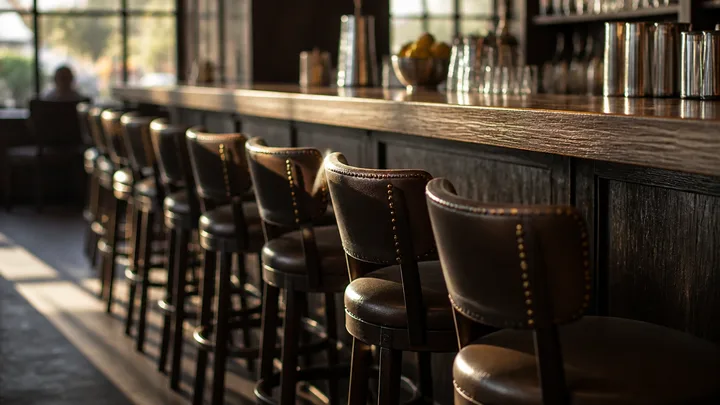
Do not save on: the primary dining chairs and booths guests use every service. These take the most abuse and do the most to shape how your room looks and feels. Buying cheap here is the classic false economy that leads to rebuying within the year.
Financing furniture
Furniture is usually folded into the broader project budget rather than financed on its own, though it can be included in an SBA 7(a) loan alongside equipment and buildout. Some operators phase furniture: they open with a solid, durable core and upgrade or expand seating as revenue grows. That approach works as long as the day-one furniture is commercial-grade, because replacing failed residential furniture is not an upgrade, it is a do-over. Weigh your options in how to finance a restaurant.
The bottom line
Cost of ownership, not just cost of purchase
The smartest way to think about furniture cost is over its whole life, not just at checkout. A commercial dining chair at $150 that survives five years of daily service costs you $30 a year. A residential chair at $70 that fails and gets replaced twice in the same period costs you more than $40 a year, and that ignores the labor to swap it out and the guest who sat in a wobbly chair in the meantime. When you compare quotes, ask for the commercial weight rating and warranty, then divide the price by the expected years of service. The cheaper sticker often loses on cost of ownership, which is the number that actually hits your books.
Don't forget the extras that round out a room
A furniture budget that only counts chairs and tables will come up short. Round out the plan with the pieces guests and staff rely on every service:
- Bar and counter seating if your concept has a bar. Price it with the bar stool and counter seating guide.
- Booths, which cost more per seat but drive higher perceived value and define the room. See the restaurant booth seating guide.
- Outdoor and patio furniture, which must be rated for weather as well as commercial use.
- Host stands, waiting-area seating, and service stations.
Common questions
How much does furniture cost for a 60-seat restaurant? Commonly $12,000 to $25,000 for durable commercial-grade seating and tables, more if you add custom booths or premium materials.
Why is commercial furniture so much more expensive? It is engineered and tested for constant daily use, with reinforced frames, commercial-rated upholstery, and cleanable finishes. That durability is exactly what a busy dining room needs.
Can I mix booths and freestanding tables? Yes, and most restaurants do. Booths anchor the perimeter and drive value, while freestanding tables give you flexibility to reconfigure for different party sizes.
Restaurant furniture cost is manageable when you price it per seat, buy commercial-grade the first time, and let your finished floor plan drive every purchase. The restaurant industry keeps growing, topping $1.1 trillion in sales per the National Restaurant Association, and guests increasingly judge a room on how it looks and feels. Furniture is where that impression is made. Spend it wisely, buy it once, and make it fit the room you actually built. For the full picture of opening your restaurant, start with the guide on how to open a restaurant.