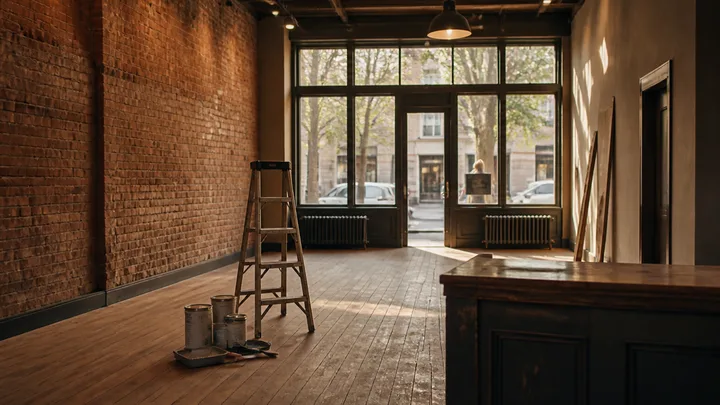
Opening a restaurant is one of the most rewarding and most demanding things you can do as a business owner. The industry is enormous: the National Restaurant Association reports more than one million restaurant and foodservice locations operating across the United States, generating well over a trillion dollars in annual sales, according to its national industry statistics. That scale means real opportunity, but it also means real competition and thin margins. The owners who succeed treat opening as a sequence of deliberate decisions rather than a leap of faith.
This page is the roadmap. It walks through the whole journey in the order most owners actually face it: nailing the concept, understanding the money, building a plan, getting licensed, buying equipment and furniture, hiring and training, and finally opening the doors. Each section links to a deeper guide so you can go as detailed as you need on any single piece. Read it top to bottom once to see the full picture, then come back to the sections that apply to where you are today.
Start With the Concept
Everything downstream flows from your concept. A fast casual taco spot, a 90-seat full service Italian restaurant, and a coffee shop with a small kitchen have almost nothing in common in terms of cost, staffing, licensing, and layout. Before you spend a dollar, get specific about what you are building, who it serves, and why someone will choose it over the place next door. Our guide on how to choose a restaurant concept walks through matching your idea to a real market gap rather than to your personal favorite cuisine.
Concept and menu are two sides of the same coin. A tight, well costed menu keeps your kitchen simple, your inventory manageable, and your food cost under control. Resist the urge to please everyone with a sprawling menu. Work through restaurant menu development to build a list of dishes that share ingredients, price well against your food costs, and can be executed consistently by the staff you can realistically hire.

Understand the Money Before Anything Else
The single most common reason new owners get into trouble is underestimating cost. Opening a restaurant is expensive, and the range is wide: a small quick service spot might open for well under two hundred thousand dollars, while a full service restaurant with a built out kitchen and dining room can run past a million. Start with the overview in how much it costs to open a restaurant, then go line by line through the restaurant startup costs breakdown so you can see where the money actually goes: buildout, equipment, furniture, licenses, deposits, and pre-opening payroll.
Two cost categories trip owners up more than any other. The first is working capital. You need enough cash to keep paying rent, payroll, and suppliers for months before the restaurant turns a profit, and running out of runway kills otherwise viable businesses. Read how much working capital to open a restaurant and budget conservatively. The second is financing. Very few owners fund a restaurant entirely from savings, so understand your options, from SBA loans to equipment financing to investors, in our guide on how to finance a restaurant. The SBA's own 10-step guide to starting a business is a useful neutral reference for the funding and registration basics.
Write the Business Plan
A business plan is not paperwork you produce to satisfy a lender and then file away. It is the document where you prove to yourself that the numbers work. A good plan forces you to state your concept, size your market, project revenue and costs month by month, and identify the point at which the restaurant becomes self sustaining. Lenders and investors will require one, and the exercise itself will surface problems while they are still cheap to fix. Our restaurant business plan guide gives you the section by section structure and the financial assumptions to pressure test.
Alongside the plan, decide how the business will be legally structured. Most restaurant owners form a limited liability company to separate personal assets from business liabilities, though the right choice depends on your partners, your tax situation, and your growth plans. Compare the options in do you need an LLC to open a restaurant, and use the SBA's business structure comparison chart as a plain language reference on how each structure treats liability and taxes.
Choose a Location and Design the Space
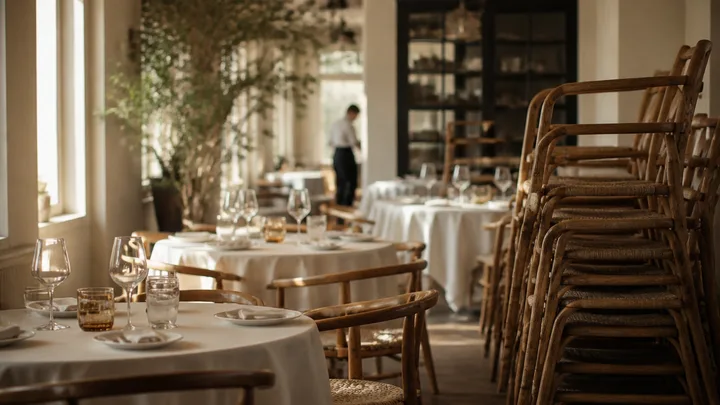
Location does more to determine your revenue ceiling than almost any other decision, and it is the hardest one to reverse. Rent, foot traffic, visibility, parking, delivery access, and local demographics all matter, and so does whether the space was previously a restaurant, since an existing kitchen can save you six figures in buildout. Work through how to choose a restaurant location before you sign anything, and negotiate the lease with your buildout costs and opening timeline in mind.
Once you have a space, the layout determines how many guests you can serve and how smoothly your staff can move. The relationship between square footage, kitchen size, and dining area is a balancing act, and small changes ripple through your revenue. Explore restaurant floor plan and layout ideas for the front of house and back of house zones, then use our method to calculate your restaurant seating capacity so your projected revenue is grounded in how many seats the room can actually hold.
Get Licensed and Permitted
No part of opening a restaurant is more state and city specific than licensing, and none is more capable of derailing your opening date if you start late. You will likely need a general business license, a food service or health permit, food handler certifications for staff, a certificate of occupancy, and, if you serve alcohol, a liquor license that can take months to secure. Start with the full overview in what licenses you need to open a restaurant, then dig into the restaurant health permit requirements that govern your kitchen and food handling.
Because rules vary by jurisdiction, always confirm requirements with your local health department and licensing office rather than assuming. Food safety expectations in most states are built on the FDA's model Food Code, which is a good primer on the standards inspectors will hold your kitchen to. If alcohol is part of your concept, begin the liquor license process as early as possible, since it is frequently the longest lead item. And do not skip coverage: understand your restaurant insurance requirements, including general liability, property, workers compensation, and liquor liability, before you open.
Equip and Furnish the Restaurant
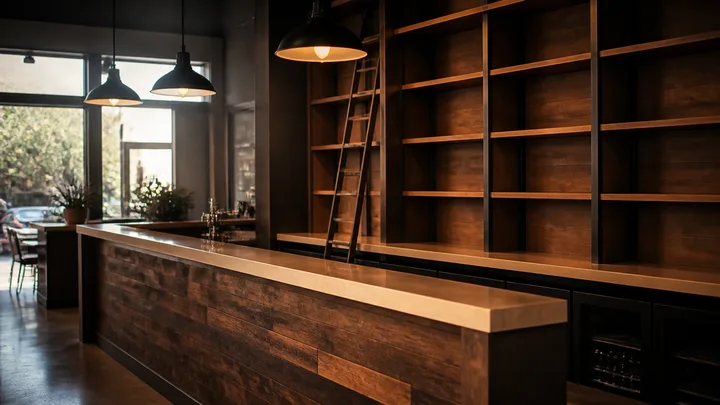
Your equipment and furnishings package is usually the largest single capital outlay after buildout. On the back of house side, build from a complete restaurant equipment list and a detailed commercial kitchen equipment checklist so nothing critical is missing on inspection day. Buying used for durable items like stainless prep tables can stretch a budget, while items like refrigeration and cooking lines are often worth buying new for reliability and warranty.
The front of house is where guests form their first impression, and where durability matters as much as looks. Restaurant furniture takes far more abuse than home furniture, so plan to source contract grade seating and tables built for commercial use from a commercial supplier rather than retail pieces that will not survive daily service. Our guide on how to choose restaurant furniture covers matching seating to your concept, spacing, and traffic. Finally, your point of sale system ties orders, payments, inventory, and reporting together, so choose it deliberately using our roundup of the best restaurant POS systems.
Hire, Train, and Open
A restaurant is only as good as the people running it. Hiring the right kitchen and front of house team, and training them well before you open, is what turns a good concept into a business guests return to. Our guide on how to hire restaurant staff covers roles, pay, scheduling, and the certifications your team needs. Give yourself real lead time here, because recruiting and training always takes longer than owners expect.
Do not open cold. A soft opening lets you run the full operation for friends, family, and a limited public before the grand opening, so you can catch kitchen bottlenecks, service gaps, and pricing problems while the stakes are low. Follow a structured restaurant soft opening checklist to make those first services count. To keep the momentum going, work through the full restaurant startup checklist so nothing slips between planning and opening day.
Give Yourself the Best Odds
The popular claim that most restaurants fail in the first year is a myth, but the real numbers still demand respect: credible studies put first year closure of independent restaurants somewhere in the mid teens to mid twenties percent, driven mostly by undercapitalization, weak location choices, and poor cost control. Understanding those failure patterns is one of the best ways to avoid them, which is why it is worth studying why restaurants fail in the first year before you commit.
None of this is meant to scare you off. It is meant to make you deliberate. The owners who open successful restaurants are not the ones with the flashiest idea; they are the ones who did the unglamorous work of costing the menu, sizing the working capital, pulling the permits on time, and training the staff before the doors opened. Use this roadmap as your map, follow the links into the detail where you need it, and build your restaurant one sound decision at a time.