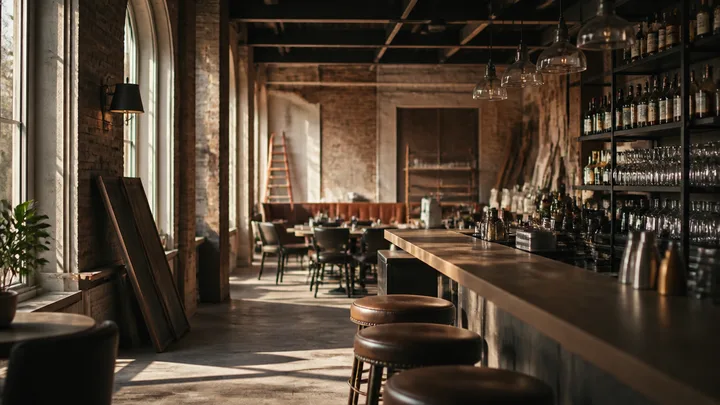
Opening a bar shares a lot with opening a restaurant, but two things make the budget its own animal: the liquor license, which can range from a few hundred dollars to several hundred thousand, and the bar itself, the draft systems, coolers, and back-bar that a kitchen-first concept never needs. Add it all up and the cost to open a bar in 2026 typically runs $110,000 to $850,000, with most independent bars landing in the $300,000 to $500,000 range. Here is how that breaks down and where the surprises hide.
If you want the full operational playbook, pair this with how to open a bar. For the wider cost picture, see how much it costs to open a restaurant.
Startup ranges by bar type
The concept sets the scale, just as it does for restaurants.
| Bar type | Typical all-in range |
|---|---|
| Small neighborhood bar | $110,000 to $250,000 |
| Mid-size cocktail lounge | $300,000 to $500,000 |
| Large sports bar | $450,000 to $700,000 |
| Nightclub / high-volume venue | $600,000 to $850,000+ |
These figures, in line with an industry bar startup cost guide from Toast, include buildout, bar equipment, furniture, licensing, opening inventory, and a working capital reserve. As with restaurants, taking a second-generation space that was previously a bar or restaurant is the single biggest way to cut the total, because the plumbing, drains, and often the bar structure are already there.
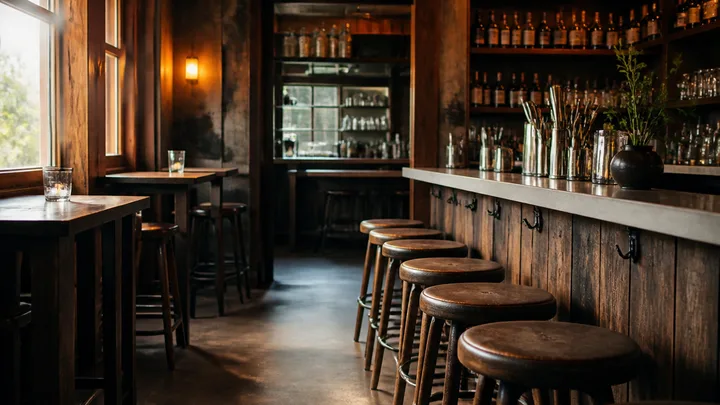
The liquor license: your wildest variable
Nothing swings a bar budget like the liquor license, and it is almost entirely a function of your state and city. On average a liquor license costs somewhere around $1,500, but that average hides an enormous range:
- Some states issue licenses for a few hundred dollars.
- Texas licenses commonly run $3,000 to $12,000.
- In quota-limited states like California, a full on-sale license bought on the secondary market can run $300,000 to $400,000, more than the entire buildout of a mid-size bar in a low-cost state.
The reason is the quota system. Some states cap the number of licenses per county and let existing licenses trade on a secondary market, which bids the price into six figures where demand is high. Others issue licenses freely at a fixed fee. You cannot budget a bar until you know which system your state uses. Start with your state's Alcoholic Beverage Control (ABC) agency, and read our full walkthrough in how to get a liquor license for a restaurant. Do this research before you sign a lease, because in a quota state the license can cost more than everything else combined.
Bar equipment and draft systems
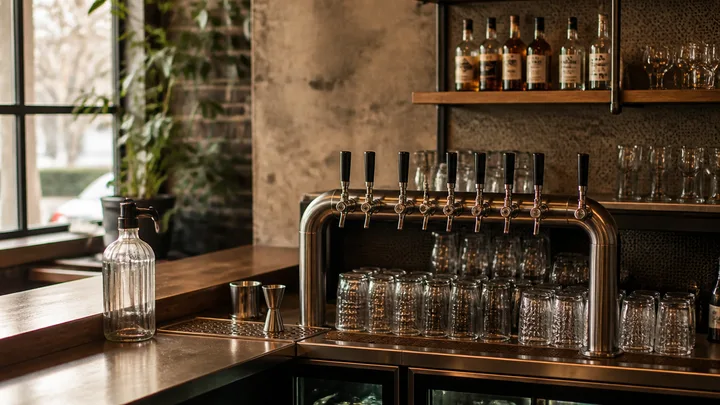
The bar itself carries equipment a food-only concept never buys. A full bar setup, including the back-bar coolers, draft beer system, glass washer, ice wells, speed rails, and soda guns, commonly runs $40,000 to $150,000 depending on size and how many draft lines you run. Key pieces:
- Draft beer system: the more taps and the longer the beer lines, the more it costs, especially if you need a remote glycol-cooled system to reach a distant cooler.
- Back-bar and under-counter refrigeration: bottle coolers, keg boxes, and reach-ins.
- Glass washer and three-compartment sink: required for sanitation.
- Ice machine and ice wells: high-volume bars burn through ice.
- POS with bar features: tab management and fast drink entry. Compare options in best restaurant POS systems.
If your bar also serves food, layer in kitchen equipment on top; price it with how much restaurant equipment costs.
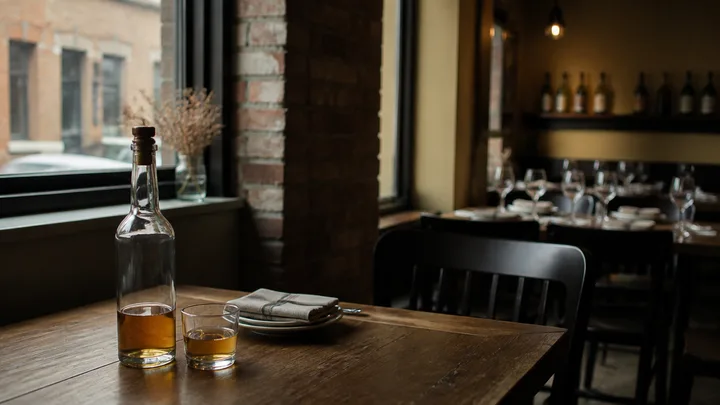
Buildout, furniture, and the rest
Beyond the license and the bar, a bar carries the same lines as any hospitality buildout:
- Buildout: $200 to $700 per square foot depending on finish and whether the space is first- or second-generation. Details in buildout cost per square foot.
- Furniture: bar stools, tables, chairs, and booths. Commercial bar stools run $90 to $300 each. Budget the room with the restaurant furniture cost guide.
- Opening inventory: bars stock deep and expensive. A well-stocked back-bar of spirits, plus beer and wine, is a larger opening inventory than most food concepts, often $10,000 to $30,000+.
- Licenses and insurance beyond liquor: business license, health permit if you serve food, and liquor liability insurance, which is essential and non-negotiable for any venue serving alcohol.
A sample budget: mid-size cocktail bar
A 2,000 square foot cocktail bar in a mid-cost, non-quota state, taking a second-generation space:
- Buildout at $250 per square foot: $500,000 in a first-gen shell, or far less in second-gen. Assume second-gen refresh: $180,000
- Bar equipment and draft system: $70,000
- Furniture: $30,000
- Liquor license (fixed-fee state): $5,000
- Opening inventory: $25,000
- POS, signage, tech: $20,000
- Licenses, permits, insurance: $12,000
- Working capital reserve (3 to 6 months): $90,000
- Total: about $432,000
Move that same bar into a quota state and buy a secondary-market license, and the total can jump by hundreds of thousands from the license alone. The concept did not change; the state did.
Do not skip the working capital reserve
Bars ramp just like restaurants, and often slower, because building a regular crowd and a bar's reputation takes time. Hold three to six months of operating expenses in reserve, sized from your own monthly costs. We walk through it in how much working capital to open a bar. Undercapitalization sinks bars just as it sinks restaurants, a pattern covered in why restaurants fail in the first year.
How bars get financed
Bars can be harder to finance than restaurants because lenders view them as higher risk, and a six-figure liquor license is an unusual asset. Common paths include the SBA 7(a) loan program, which can fund buildout, equipment, and working capital together, personal savings and investor equity, and equipment financing for the bar and draft systems. In quota states, the license itself sometimes serves as collateral because it holds resale value. Expect lenders to want a strong plan and a meaningful equity injection. See how to finance a restaurant.
The bottom line
Ongoing costs a bar owner has to plan for
Opening cost is only the entry fee. Bars carry monthly costs that shape how large a reserve you need and how the business performs once open:
- Rent, often at a premium for high-visibility, high-foot-traffic locations.
- Payroll, including bartenders, barbacks, security for late-night venues, and management.
- Liquor liability insurance, which is higher for bars than for food-first restaurants because of the risk that comes with serving alcohol.
- Inventory reorders, since a bar's cost of goods runs constantly as popular spirits, beer, and wine sell through.
- License renewals and compliance, which recur annually in most states.
Pour cost, the ratio of what a drink costs you to make versus what you charge, is the number that makes or breaks bar economics. Well-run bars target a pour cost around 20 percent, and losing control of it through overpouring, spillage, or theft is a fast way to bleed margin. Margins across hospitality are thin, as we cover in restaurant profit margins explained.
Common questions
How much does it cost to open a small bar? A small neighborhood bar commonly runs $110,000 to $250,000, before a large secondary-market liquor license if you are in a quota state.
Why do liquor licenses vary so much? Quota states cap the number of licenses and let them trade on a secondary market, which drives prices into six figures. Non-quota states issue them at a fixed fee, often a few hundred to a few thousand dollars.
Do I need a kitchen to open a bar? Not always, but some jurisdictions tie certain liquor licenses to food sales, and food can improve both revenue and responsible-service compliance. Check your state's rules before you decide.
The cost to open a bar hinges on two questions most first-timers answer too late: what does a liquor license cost in your specific state, and can you find a second-generation space. Get those two right and the rest of the budget behaves like any hospitality project. The industry keeps growing, topping $1.1 trillion in sales per the National Restaurant Association, and bars remain one of its most durable formats. Just make sure you have priced the license and protected the reserve before you pour the first drink. For the full launch plan, pair this budget with the guide on how to open a restaurant.